




I. Introduction
Photography is a visual art, and the lens is the “eye” through which the camera captures wonderful moments. Different lenses possess unique optical characteristics and functions, capable of presenting completely different shooting effects. Therefore, choosing a suitable lens for your camera is of vital importance for photography enthusiasts and professional photographers alike. This article will elaborate on the methods and key points for selecting camera lenses, helping readers pick the most suitable ones according to their own needs.
II. Understanding the Basic Parameters of Lenses
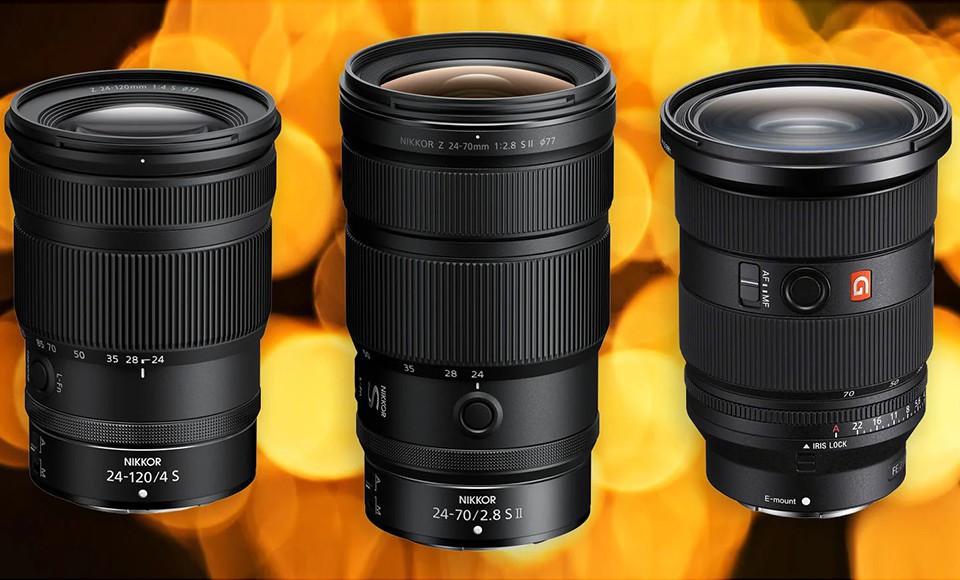
- Focal length: The focal length determines the angle of view and magnification ratio of the lens. A short focal length (such as a wide-angle lens) enables you to photograph broader scenes and is suitable for shooting landscapes, architecture, etc. A long focal length (such as a telephoto lens) can bring distant objects closer and is often used for sports, wildlife, and portrait close-ups. For example, a wide-angle lens with a focal length of 16 – 35mm is ideal for shooting magnificent landscapes, while a telephoto lens with a focal length of 70 – 200mm can capture the facial expression details of actors on a distant stage.
- Aperture: The size of the aperture affects the amount of light entering the lens and the depth of field. A large aperture (such as f/1.4, f/2.8) allows for shooting in low-light environments and can achieve a shallow depth of field, highlighting the subject and blurring the background. A small aperture (such as f/16, f/22) can make the entire picture sharp and clear, which is suitable for the need of a large depth of field in landscape photography. For instance, when shooting portraits, using an aperture of f/2.8 can make the person in focus while the background is blurred, creating an artistic atmosphere.
- Image quality: The optical structure, lens material, and coating of the lens determine its image quality. High-quality lenses usually have better resolution, contrast, color reproduction, and anti-glare ability. For example, professional lenses can display finer textures and richer color gradations when shooting high-pixel photos.
III. Determining Shooting Needs and Subjects
- Landscape photography: A wide-angle lens is required to show a wide field of view and rich details. You can choose an ultra-wide-angle lens with a focal length of around 14 – 24mm. It can emphasize the spatial sense of the foreground and background with an exaggerated perspective effect, making the picture more impactful.
- Portrait photography: Medium and long telephoto lenses are commonly used. For example, fixed focal length lenses of 85mm or 135mm can obtain a natural perspective effect for portraits. Moreover, the large aperture can blur the background, making the subject more prominent. Meanwhile, when shooting full-length or half-length portraits, it can maintain a proper shooting distance and avoid distorting the figure.
- Sports and wildlife photography: A telephoto lens is a must, usually with a focal length of over 300mm, so that you can capture fast-moving objects from a long distance. For example, when shooting a football match, a 400mm telephoto lens can clearly capture the action details of the players.
- Macro photography: Special macro lenses can achieve a magnification ratio of 1:1 or higher and are used to photograph tiny objects such as flowers and insects, showing the wonders of the microscopic world.
IV. Considering the Compatibility between the Camera Body and the Lens
Different brands and models of camera bodies have different compatibility requirements for lenses. Some cameras adopt specific mount systems, and only lenses with corresponding mounts can be installed and used. In addition, factors such as the pixel count and sensor size of the camera body also affect the choice of lenses. High-pixel camera bodies require lenses with higher resolution to match them. When using the same focal length lens on a full-frame camera and an APS – C format camera, the actual angle of view and equivalent focal length will be different. For example, when an APS – C format camera is paired with a 50mm lens, its equivalent focal length is approximately 75mm (multiplied by the conversion factor), and the angle of view will be narrower when shooting portraits.
V. Budget Consideration
The price range of lenses is wide, ranging from hundreds of yuan for entry-level lenses to tens of thousands of yuan for professional top-of-the-line lenses. When choosing a lens, you need to determine the budget range according to your financial strength. With a limited budget, you can give priority to lenses with high cost-performance ratios, such as some third-party lens brands, which can also meet most shooting needs in terms of optical performance. If the budget is sufficient, you can choose high-end original lenses from the manufacturer, enjoying better image quality, workmanship, and focusing performance.
VI. Portability and Weight of Lenses
For users who often need to carry their cameras outdoors for shooting, the portability and weight of lenses are also important factors. Large-aperture telephoto lenses are often bulky and heavy, and carrying them for a long time may increase the burden. Therefore, if you have a lot of outdoor shooting needs, you can choose relatively lightweight and portable lenses on the premise of meeting shooting requirements, or consider some lens combinations. For example, you can pair a lightweight standard zoom lens for daily shooting and carry a telephoto lens to deal with specific scenes.
VII. Referring to the Usage Experience and Reviews of Others
Before purchasing a lens, you can refer to the usage experience sharing and review articles of other photography enthusiasts and professional photographers on photography forums, professional photography websites, or social media. Understanding the advantages and disadvantages, imaging performance, focusing speed, etc. of different lenses in actual use will help you have a more comprehensive understanding of the lenses and make a more accurate choice. For example, some well-known photography bloggers will conduct detailed reviews on newly launched lenses and give comparative analyses with similar products, and such information is of high reference value for lens purchases.
VIII. Conclusion
Choosing the right camera lens requires comprehensive consideration of multiple factors, including the basic parameters of the lens, shooting needs and subjects, compatibility between the camera body and the lens, budget, portability, and the usage experience of others. Only by weighing these key points comprehensively can you select the lens that best suits your camera, give full play to the performance of the camera, and create satisfying photographic works. On the journey of photography, a suitable lens will become a powerful tool for you to capture beautiful moments and express your creativity, helping you continue to move forward in the exploration of the art of photography.